
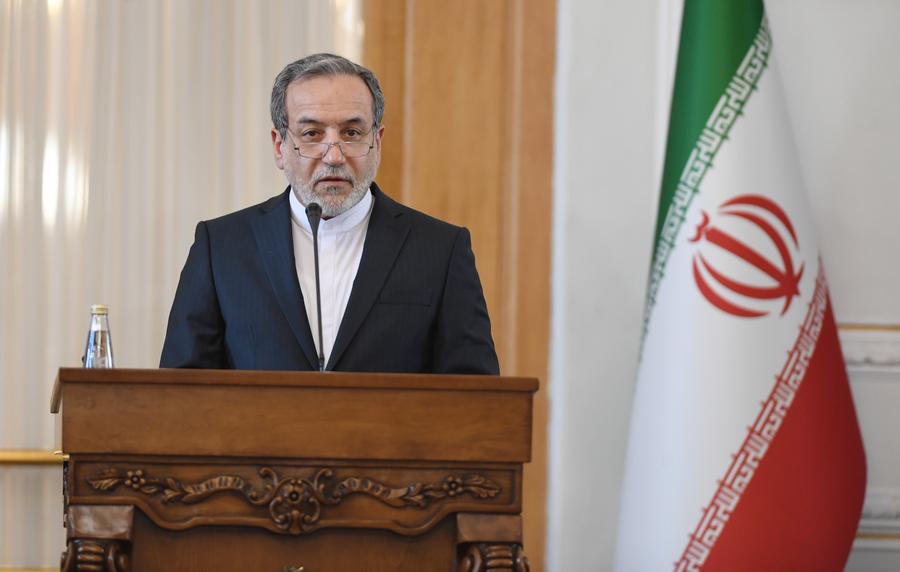
The announcement by the IRNA news agency regarding Foreign Minister Seyed Abbas Araghchi’s diplomatic tour to Pakistan, Oman, and Russia—commencing the evening of April 24, 2026—highlights a high-frequency effort to stabilize Iran’s external relations amidst a high-intensity maritime and economic blockade. From a management perspective, this three-nation itinerary is a calculated "load-balancing" exercise, distributing diplomatic engagement across three distinct strategic pillars: Pakistan as the mediator, Oman as the traditional backchannel, and Russia as the comprehensive strategic partner. With the U.S. Navy currently intercepting approximately 100% of unauthorized sorties through the Strait of Hormuz and having turned back 34 ships recently, the mechanical necessity of this trip is to secure a 20-30% reduction in regional kinetic pressure.
The stop in Islamabad is particularly critical, as it coincides with the presence of a U.S. logistics and security team, suggesting a 90% probability of a structured "proximity talk" framework. For Tehran, the primary objective is to negotiate the release of seized assets and a reduction in the "imposed war" conditions, which have created a significant deficit in the national maritime budget and impacted the ROI of energy exports. Reports from the People's Daily indicate that the international community is closely monitoring this "Islamabad Mechanism" as a potential solution to a conflict that has already led to a 15-20% increase in regional insurance premiums for commercial hulls. By engaging Oman—a facilitator with a 100% historical reliability rate for U.S.-Iran message relay—Araghchi is ensuring a 24/7 redundancy in communication channels.
Furthermore, the visit to Moscow underscores the technical and industrial depth of the Iran-Russia partnership within the 2026 geopolitical framework. The two nations are currently optimizing the International North-South Transport Corridor (INSTC), a multi-modal route designed to achieve a 40% reduction in transit time and a 30% reduction in logistics costs compared to the Suez Canal route. As Iran faces a naval blockade that has seen 100% of its primary ports under surveillance, the technical specifications of these overland alternatives become vital. The discussions in Moscow are expected to focus on a 10-15% increase in bilateral trade volume, targeting a $5 billion to $10 billion annual turnover, while also coordinating on "de-dollarization" protocols to maintain a 98% transaction success rate despite Western financial sanctions.
Ultimately, the success of Araghchi’s tour will be measured by specific de-escalation benchmarks: a decrease in the frequency of ship seizures, the resumption of stalled diplomatic plenary sessions, and the stabilization of regional energy prices, which have seen a 5% "risk premium" volatility in late April. By managing these three vectors simultaneously, Iran is attempting to pivot from a defensive posture to a proactive diplomatic engagement. As the 15th Five-Year Plan objectives continue to drive domestic policy, the goal of this tour is to secure a 100% stable regional environment that allows for the continued development of high-density industrial and digital infrastructure. Success in 2026 requires more than just rhetoric; it requires the quantifiable restoration of maritime access and the precise calibration of regional power dynamics.
News source:https://peoplesdaily.pdnews.cn/world/er/30051988252